

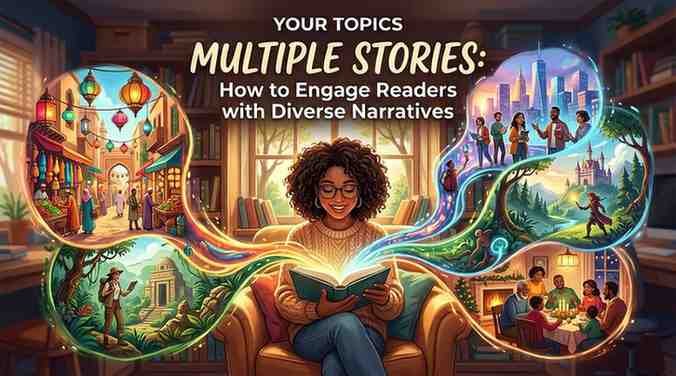
In the modern world of content creation, telling engaging stories is essential for capturing and maintaining audience attention. A concept that has gained traction among writers, bloggers, and marketers is your topics multiple stories. This approach allows creators to explore a single theme through a variety of perspectives, making content more dynamic, relatable, and memorable.
Using multiple stories within the same topic can help readers connect with the subject in different ways. It encourages deeper understanding, promotes engagement, and provides flexibility for content creators to cover broader themes without becoming repetitive. In this article, we will explore how your topics multiple stories approach works, its benefits, and practical strategies to implement it effectively.
Understanding the Concept of Multiple Stories
The idea behind your topics multiple stories is to expand a single subject into different narrative threads. Instead of presenting one straightforward article or post, creators explore various angles, experiences, and examples.
Breaking Down a Topic
When developing multiple stories around a single topic, the first step is breaking it down into subthemes. For example, a topic like “healthy eating” can be explored through personal journeys, recipes, scientific studies, and expert advice.
This approach allows content to appeal to a wider audience while maintaining focus on the central theme.
Benefits of Multiple Stories
Incorporating multiple stories increases engagement by offering fresh insights and perspectives. Readers are more likely to stay interested if each narrative provides unique value. Additionally, search engines often favor content that is rich, diverse, and covers a topic comprehensively, making this approach beneficial for SEO.
Crafting Compelling Narratives for Your Topics
Not all stories are equally engaging. To make your topics multiple stories approach effective, it’s important to focus on crafting compelling narratives that resonate with the audience.
Emotional Connection
Stories that evoke emotions tend to leave a lasting impression. Whether it’s inspiration, humor, or empathy, weaving emotion into each story can make content more memorable.
For instance, if your topic is about entrepreneurship, one story could highlight a successful business launch, while another shares lessons learned from failure. Both narratives provide value and create an emotional bond with readers.
Variety in Format
To keep multiple stories engaging, consider varying the format. You can use personal anecdotes, case studies, interviews, or even visual storytelling elements like infographics or short videos.
This diversity ensures that your content doesn’t feel monotonous, and it accommodates different learning styles and preferences among your audience.
Planning Your Topics Multiple Stories Strategy
Creating content with multiple narratives requires careful planning. Without structure, the content might become scattered or overwhelming.
Outline Subtopics
Start by identifying the key points or subtopics you want to cover. Each subtopic can become a separate story that adds depth to the main theme.
For example, if your central topic is “remote work productivity,” subtopics might include time management, maintaining work-life balance, and team collaboration. Each subtopic provides a unique story that contributes to the overall theme.
Determine the Sequence
Once subtopics are outlined, plan the sequence in which they will be presented. A logical flow enhances readability and ensures that each story builds upon the previous one.
This sequencing also helps search engines understand the content structure, which can improve SEO performance for keywords related to your topics multiple stories.
Integrating Multimedia and Interactive Elements
Modern readers often prefer content that goes beyond text. Incorporating multimedia can significantly enhance the storytelling experience and make your topics multiple stories approach more engaging.
Visual Storytelling
Images, charts, and infographics can help illustrate key points and break up large blocks of text. Visuals often make content easier to understand and retain, which improves user experience.
Interactive Features
Interactive elements, such as polls, quizzes, or comment sections, can encourage readers to engage directly with the stories. This two-way interaction strengthens the connection between the audience and your content.
Measuring the Success of Multiple Story Content
After publishing content with multiple stories, it’s essential to track performance. Analytics can provide insights into what resonates with your audience and which stories drive the most engagement.
Key Metrics
Monitor metrics like page views, average time on page, social shares, and comments. These indicators help determine which narratives are most effective and provide guidance for future content.
Refining Your Approach
Based on performance data, refine your storytelling strategy. Focus on the types of stories that generate the most engagement and consider experimenting with new formats or perspectives to maintain freshness.
Frequently Asked Questions (FAQs)
What does “your topics multiple stories” mean?
Your topics multiple stories refers to the content strategy of exploring a single topic through several narratives or perspectives, making it more engaging and informative.
Why is using multiple stories effective?
Multiple stories increase reader engagement, offer diverse perspectives, and improve SEO by providing comprehensive coverage of a topic.
Can multiple stories be used in any type of content?
Yes, this approach works for blogs, social media, newsletters, educational materials, and marketing content.
How do I plan multiple stories for a single topic?
Start by breaking down the main topic into subtopics, decide the sequence of stories, and vary formats and media to keep content engaging.
How do I measure success?
Use analytics to track page views, time on page, social shares, and reader interactions to evaluate which stories resonate most.
Conclusion
The strategy of your topics multiple stories is a powerful way to create rich, engaging, and versatile content. By exploring a single subject through multiple narratives, content creators can offer readers a deeper understanding, evoke emotions, and increase interaction.
This approach not only enhances user engagement but also improves SEO performance by providing comprehensive coverage of the topic. Whether you are writing a blog, crafting marketing content, or developing educational resources, integrating multiple stories can transform your content into a more compelling and memorable experience.
By planning subtopics carefully, using diverse formats, and incorporating multimedia, you can ensure that your content captivates audiences and leaves a lasting impression. Adopting your topics multiple stories as a content strategy will help you deliver meaningful, engaging, and high-quality material that resonates with readers.