

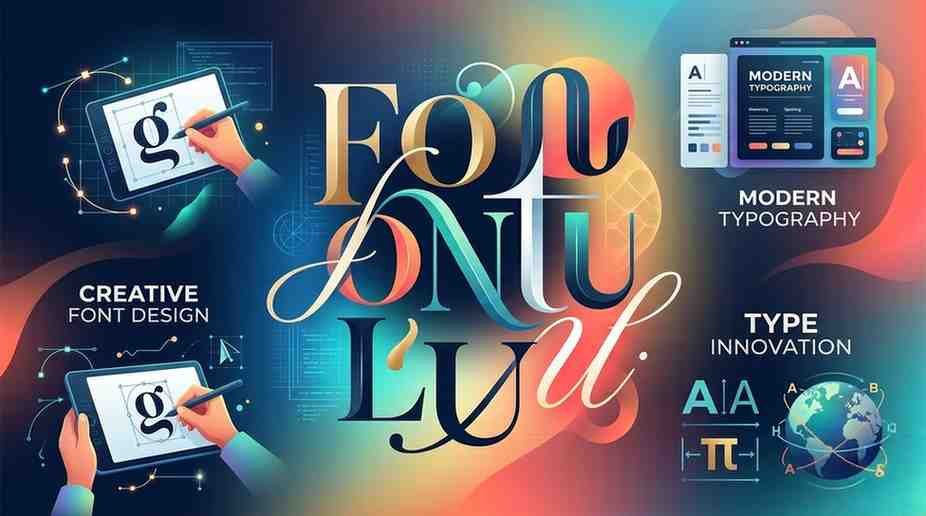
Understanding the Role of Typography in Digital Design
Typography plays a powerful role in how people perceive written content online. From websites and social media graphics to brand logos and marketing materials, fonts shape the visual identity of digital communication. In recent years, tools and platforms such as fontlu have gained attention among designers, content creators, and businesses looking to enhance their visual presentation.
Typography is more than just selecting a style of letters. It involves the careful combination of font styles, spacing, hierarchy, and readability to create a visually appealing experience. Designers rely on typography to guide readers through content, highlight key information, and establish brand personality.
In today’s competitive digital environment, attractive and readable text is essential. Whether designing a website, creating marketing graphics, or building a social media brand, the right typography can significantly influence user engagement and overall design quality.
The Evolution of Online Font Platforms
Over the years, the demand for creative typography tools has grown significantly. As digital design became more accessible, platforms dedicated to fonts, typography tools, and creative text styles started appearing online.
One platform that reflects this trend is fontlu, which represents the modern approach to discovering and experimenting with unique fonts. Designers today no longer rely solely on default fonts available on operating systems. Instead, they explore digital platforms that provide extensive libraries of font styles, lettering designs, and typographic inspiration.
The rise of graphic design software, website builders, and social media marketing has increased the need for creative typography resources. As a result, font platforms have evolved to include features like preview tools, font pairing suggestions, and downloadable design assets.
Why Typography Platforms Are Important
Typography tools and font libraries provide several benefits:
- Access to thousands of unique typefaces
- Inspiration for creative design projects
- Improved visual consistency for brands
- Easy integration with design software
These advantages make modern typography platforms essential for designers and digital creators.
Key Features Designers Look for in Font Tools
Typography tools are most valuable when they provide practical features that simplify the design process. A platform such as fontlu typically attracts users by offering flexible font options, creative text styles, and user-friendly design tools.
Designers often look for platforms that allow them to preview fonts in real time. This feature helps them visualize how a particular typeface will appear in logos, headlines, or marketing graphics. Another important feature is font pairing suggestions, which help designers combine different styles while maintaining visual harmony.
Accessibility is another key factor. Many designers prefer platforms that offer both free and premium fonts, giving them the flexibility to experiment with various styles without exceeding their project budgets.
Essential Typography Elements
When choosing fonts for a project, designers usually consider several elements:
- Readability and clarity
- Font weight and spacing
- Visual hierarchy
- Compatibility with branding
These elements ensure that typography not only looks attractive but also communicates effectively with the audience.
How Typography Influences Branding and User Experience
Typography is a fundamental part of brand identity. The style of text used in a brand’s logo, website, and promotional materials can influence how customers perceive the brand.
Using a platform like fontlu, designers can experiment with different font styles that reflect a brand’s personality. For example, a technology company might prefer modern and minimalist fonts, while a fashion brand may choose elegant or stylish lettering.
Typography also affects user experience. Clear and well-structured fonts make content easier to read, especially on digital devices such as smartphones and tablets. Poor typography, on the other hand, can make a website difficult to navigate and reduce user engagement.
Consistency is particularly important in branding. When a brand uses the same typography across websites, advertisements, and social media content, it creates a recognizable and professional image.
Another aspect of typography is emotional impact. Certain fonts can evoke feelings of trust, creativity, or sophistication. Designers carefully select typography styles that match the message they want to communicate.
Tips for Choosing the Right Typography Style
Selecting the right font is both a creative and strategic decision. Designers must consider the purpose of the content, the target audience, and the overall visual theme.
When exploring platforms like fontlu, it is helpful to start by identifying the tone of the project. A professional website may require clean and modern fonts, while a creative portfolio might benefit from more expressive typography.
Another useful tip is to limit the number of fonts used in a single design. Most professional designers recommend using two or three fonts to maintain visual balance. Combining a bold headline font with a simple body text font is a common approach.
Spacing and alignment also play a major role in typography. Proper line spacing and letter spacing improve readability and make content more visually appealing. Designers often test different layouts before finalizing their typography choices.
Finally, responsiveness should be considered. Fonts must look good on different screen sizes, including desktops, tablets, and mobile devices. Choosing versatile and adaptable typography ensures a consistent user experience across platforms.
FAQ
What is typography in design?
Typography is the art and technique of arranging text in a way that makes written language readable, visually appealing, and effective for communication.
Why are fonts important for branding?
Fonts help create a recognizable visual identity for a brand and influence how audiences perceive its personality and professionalism.
Can beginners use typography platforms?
Yes, many platforms are designed with user-friendly interfaces that allow beginners to explore fonts and experiment with design easily.
How many fonts should be used in one design?
Most designers recommend using two or three fonts to maintain visual consistency and avoid cluttered layouts.
What makes a font easy to read?
Clear letter shapes, proper spacing, and balanced proportions all contribute to better readability.
Conclusion
Typography is one of the most influential elements in digital design. It shapes the way people experience content, understand messages, and interact with visual media. From branding and marketing to website design and social media graphics, effective typography helps communicate ideas clearly and creatively.
Modern typography platforms provide designers with powerful tools to explore countless font styles and improve their creative workflow. By understanding the principles of typography and choosing fonts carefully, designers can create visually engaging and highly readable content.
As digital design continues to evolve, typography will remain a critical component of visual communication. Learning how to select and use fonts effectively allows designers, businesses, and creators to build stronger and more memorable digital experiences.