

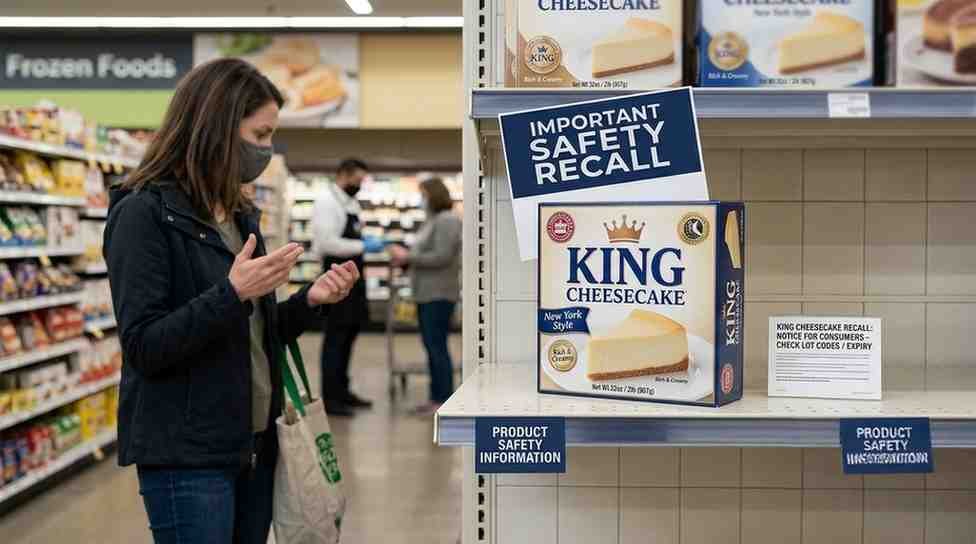
Food safety is an important part of consumer health, and product recalls help protect the public when potential risks are identified. The king cheesecake recall has attracted attention from consumers who want to understand why recalls happen, how they are handled, and what steps should be taken if a recalled product is found at home. Whether a recall is issued because of labeling concerns, ingredient issues, or possible contamination, staying informed helps shoppers make safer choices.
Recalls are not uncommon in the food industry. Manufacturers and regulatory authorities work together to remove affected products from the market while keeping customers informed. Understanding the recall process allows consumers to respond quickly and confidently whenever food safety concerns arise.
Understanding the King Cheesecake Recall
The king cheesecake recall refers to a situation where cheesecake products may be removed from distribution due to potential safety or quality concerns. Food recalls can happen for several reasons, including undeclared allergens, packaging errors, contamination risks, or manufacturing issues.
When a recall is announced, companies generally provide important details such as product names, batch numbers, expiration dates, and distribution areas. This information helps customers determine whether the product they purchased is affected.
Common Reasons for Food Recalls
Food recalls are usually issued to protect public health. Some of the most common reasons include:
- Undeclared allergens
- Possible bacterial contamination
- Incorrect product labeling
- Packaging defects
- Quality control concerns
- Foreign material contamination
These precautionary actions help reduce health risks and maintain consumer confidence.
How Food Recall Processes Work
Food manufacturers follow established procedures when a potential issue is discovered. Internal quality checks, customer complaints, routine inspections, or laboratory testing may identify a problem before it becomes widespread.
Once the concern is confirmed, the company works with the appropriate food safety authorities to remove affected products from stores and notify consumers. Retailers also assist by removing recalled items from shelves and posting recall notices when necessary.
Steps Companies Typically Take
A standard recall process often includes:
- Identifying the affected product
- Notifying regulatory agencies
- Informing retailers and distributors
- Publishing consumer recall notices
- Monitoring the effectiveness of the recall
These actions are designed to protect consumers while improving future food safety practices.
What Consumers Should Do During a Recall
If you hear about the king cheesecake recall, the first step is to compare your product with the recall information provided by the manufacturer or food safety authority. Check the product label, expiration date, batch code, and packaging details carefully.
If your product matches the recall notice, avoid consuming it. Follow the instructions provided by the manufacturer regarding disposal or returning the product for a refund or replacement.
Consumers should also monitor official announcements for updates, especially if additional batches become part of the recall.
Keeping grocery receipts may also simplify refund or replacement requests when participating retailers require proof of purchase.
Food Safety Tips When Buying Cheesecake Products
While recalls are relatively uncommon, consumers can reduce food safety risks by following good shopping and storage practices.
Always inspect product packaging before purchasing. Avoid buying products with damaged seals, torn packaging, or signs of improper storage. Refrigerated desserts should remain cold throughout transportation and storage.
Proper refrigeration helps maintain product quality and reduces the risk of spoilage. Consumers should also pay attention to expiration dates and recommended storage temperatures.
Practicing safe food handling at home is equally important. Clean utensils, proper refrigeration, and timely consumption all contribute to maintaining food quality.
Why Food Recalls Improve Consumer Protection
The king cheesecake recall highlights the importance of food safety monitoring within the food industry. While recalls may temporarily inconvenience consumers, they demonstrate that safety systems are working to identify and remove products that may present potential risks.
Manufacturers continuously improve production methods, quality assurance procedures, and supplier monitoring to reduce future incidents. Regulatory inspections and routine testing also strengthen consumer protection across the food supply chain.
As food production becomes more advanced, companies continue investing in better tracking systems, improved manufacturing standards, and enhanced quality control processes. These efforts help ensure that food products remain safe while maintaining public confidence in the marketplace.
Frequently Asked Questions
What is a food recall?
A food recall is the removal of a product from the market because it may pose a safety or quality concern.
Why are cheesecake products recalled?
Possible reasons include undeclared allergens, contamination risks, labeling errors, or manufacturing problems.
What should I do if I purchased a recalled cheesecake?
Check the recall details, avoid consuming the product, and follow the manufacturer’s instructions for a refund or safe disposal.
Are all cheesecake products affected during a recall?
No. Most recalls apply only to specific products, batch numbers, or production dates.
How can I stay informed about food recalls?
Monitor official food safety announcements and manufacturer updates for the latest recall information.
Conclusion
Food recalls are an important part of protecting public health and maintaining confidence in the food supply. The king cheesecake recall reminds consumers to stay informed, check product details carefully, and follow official guidance whenever a recall is announced. Understanding how recalls work, practicing safe food handling, and paying attention to product information can help reduce potential risks. By remaining aware of food safety updates and following recommended actions, consumers can make informed decisions while continuing to enjoy their favorite dessert products with greater confidence.